Bert was born on April 25, 1956, in Raminho, a small village on Terceira Island in the Azores. The home where he grew up overlooked the Atlantic Ocean. It had a dirt floor. Money was tight, but there was always an abundance of food and love.
His parents, Manuel and Maria La-Salete, were farmers. They raised six sons: João, Antonio, David, Adalberto, Daniel, and Nélio. Bert and his brothers ran around the farm barefoot, doing whatever tasks their father asked. Years later, Bert would describe his parents as quiet, industrious, loving people who brought him up with the values he carried throughout his life. He always reflected on those years as some of the happiest of his life.
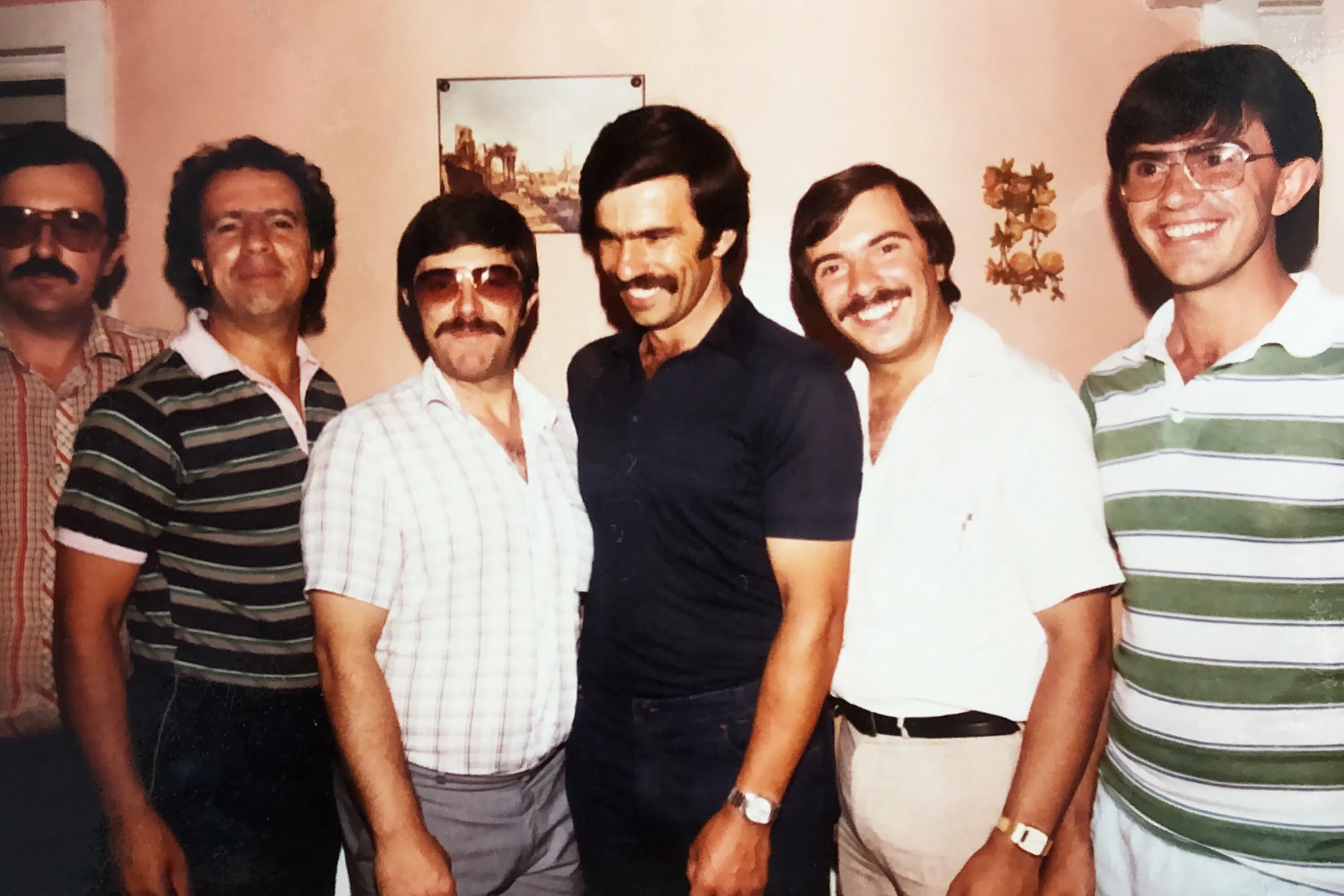
The six brothers — Antonio, João, David, Daniel, Adalberto, and Nélio
The family was poor. In rural Terceira in the 1960s, that meant something specific: public education ended at fourth grade. After that, there was the farm. That was your life.
The Sacrifice
But Bert was bright—everyone could see it. And there was one way out: the Catholic seminary, which offered a full secondary education to boys who showed promise. The cost was steep, not in money but in sacrifice. Bert's aunt sold her land to the Church to pay his way.
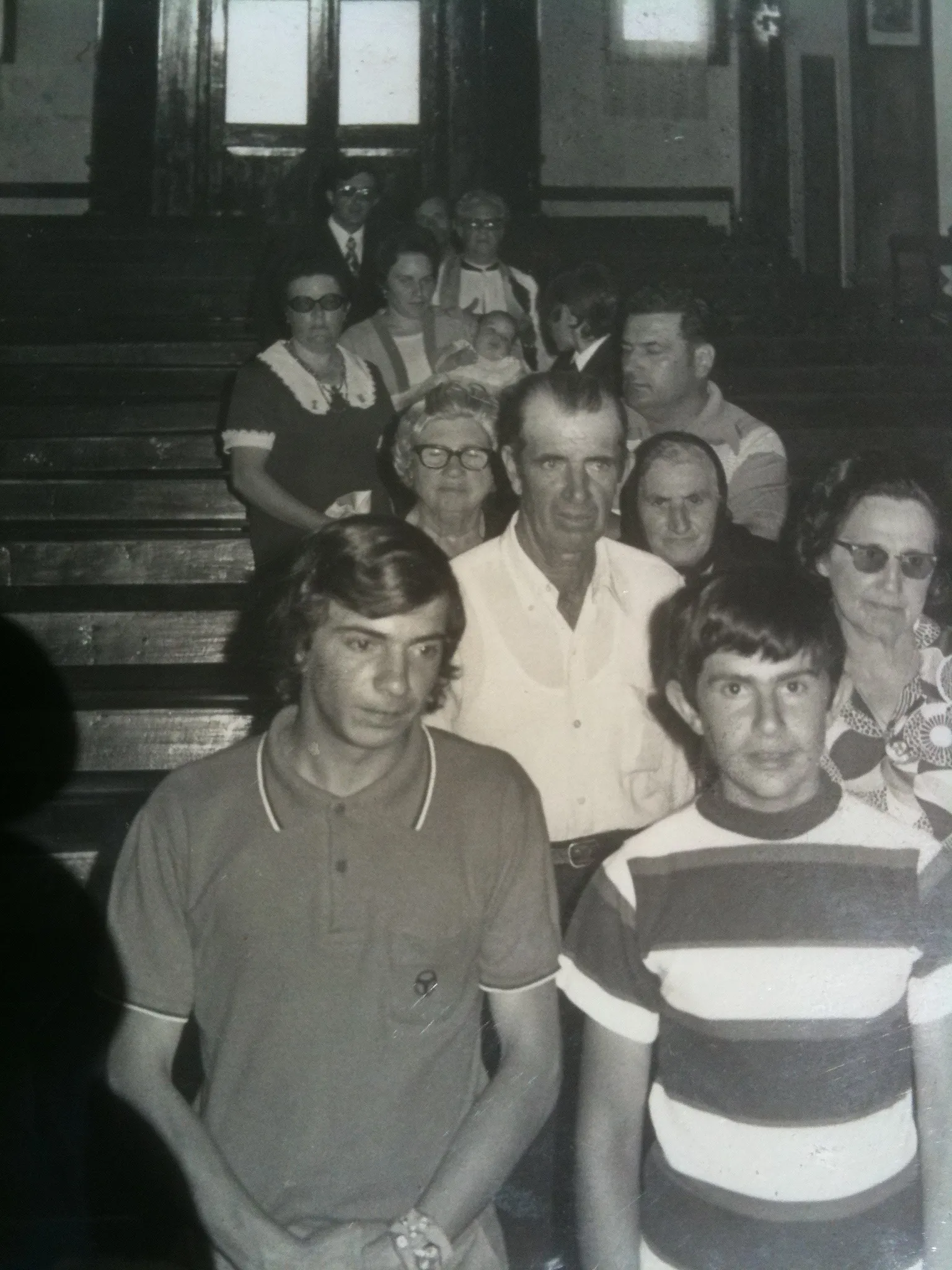
A church gathering in Terceira
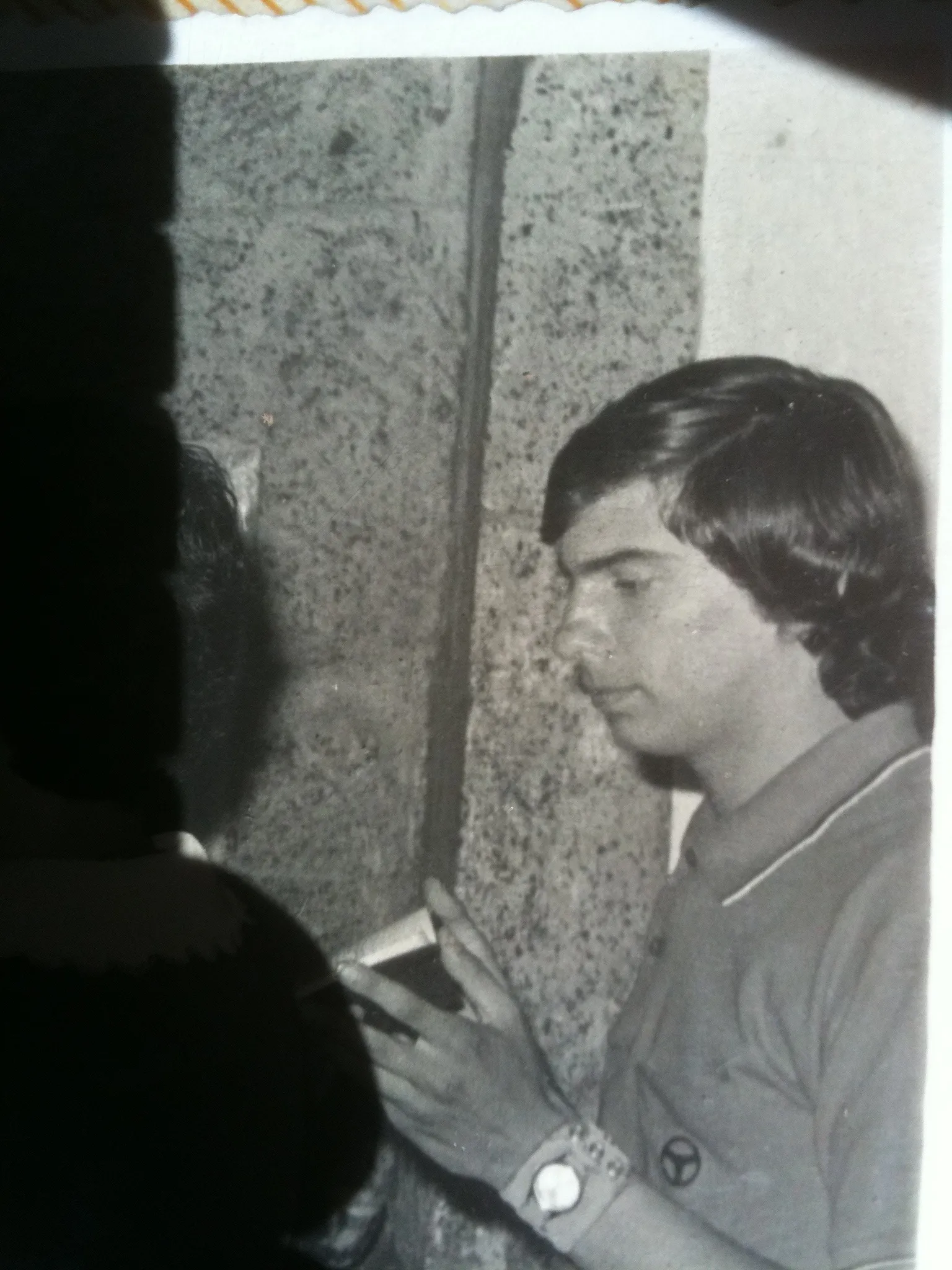
Bert at a church service
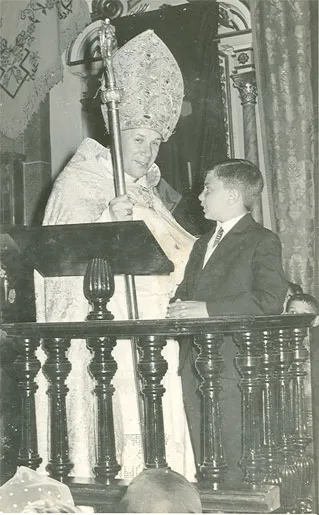
Bert with the bishop
At ten or eleven years old, Bert left his family. With his parents' encouragement and support, he boarded a boat for São Miguel, another island in the archipelago. The crossing was rough. Children got seasick. They vomited. They cried. And when they arrived, they entered an institution that would shape the next eight years of their lives.
His older brother João took the same path. João became a priest.
Bert never intended to.